
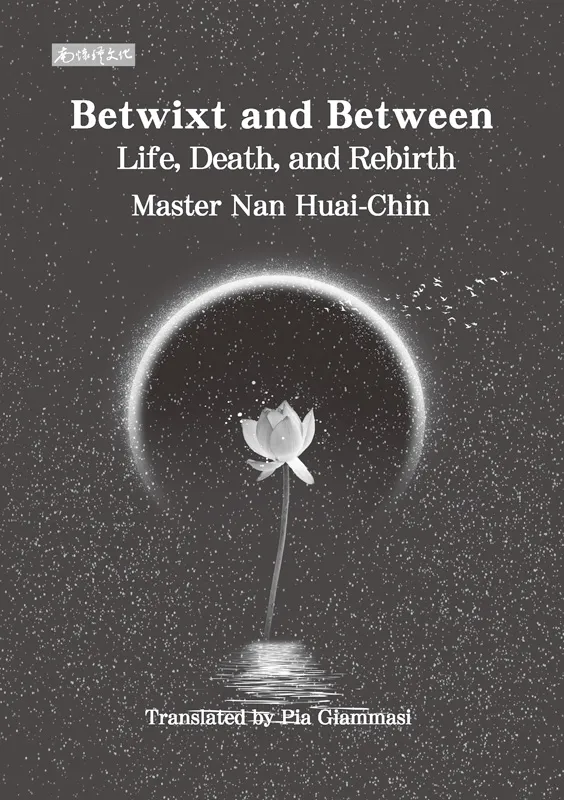
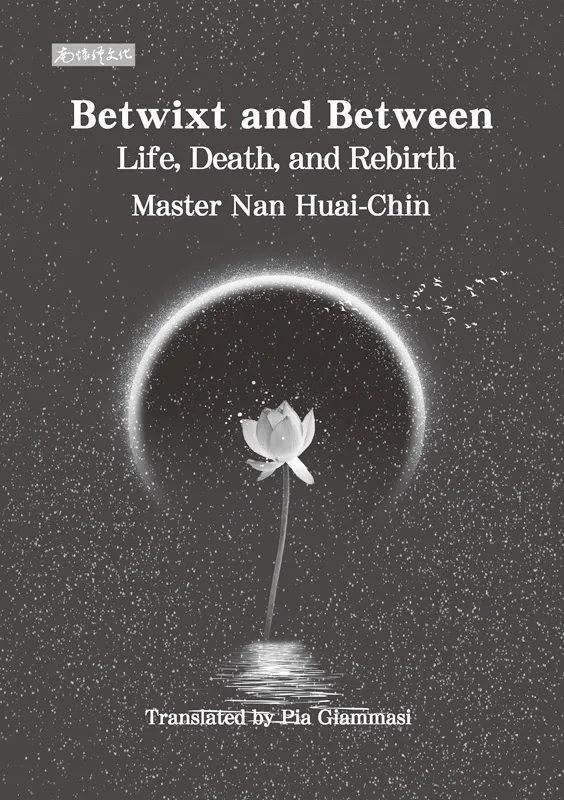
Betwixt and Between: Life, Death, and Rebirth
- 作者: 南懷瑾(Master Nan Huai-Chin)講述
- 譯者: Pia Giammasi譯
- 出版社: 南懷瑾文化事業有限公司Nan Huai Chin Culture Enterprise Limited
- 出版日期: 2023.09.01


簡介
《Betwixt and Between: Life, Death, and Rebirth》is a record of Master Nan’s talks in which he answered questions about the process of death and rebirth. Master Nan weaves together personal anecdotes, scientific knowledge, Buddhist teachings from the Pali Canon, Mahayana sutras, Yogacara, Vijnanavada, and Chan in such an intricate way that those who are curious about the Buddhist perspective on life and death, those familiar with Buddhist teachings, and those who are deep into cultivation will all gain new insights and answers. For its depth, this book is very engaging and hard to put down. Any reader will find it to be a treasure trove and will want to come back to it again and again.
序
Translator’s Forward
This book is a record of Master Nan’s talks in which he answered questions about death and rebirth. In themodern world, both death and birth, more often than not, take place in a hospital rather than at home and so many people have not witnessed another human being entering or leaving this world. Many times our loved ones go through thesemonumental passages with only medical staff present. It is only through an understanding of what goes on during the transitions of death and rebirth that we can help others in the best way possible and prepare themor ourselves well for having children or to face death.
In secular terms, life is confined to the time between birth and death. Death is seen as the end of life, as if it were not part of life. Therefore it is feared, it is sanitized and hidden away, almost swept under the carpet. Master Nan laments how death and dying are treated in the modern age. When dying is recognized as just a phase of life, it is not so formidable. A person is considered dead when the heart stops beating and the brain waves go flat, but actually the process of dying begins long before thatmoment and continues on afterwards for quite some time. Master Nan guides us through the internal phenomena and processes of dying, from the earliest signs of the dissipation of the elements, to the point of clinical death, until the point when the consciousness leaves the body, which can take up to eight hours. With a better understanding of what is happening internally, we can more appropriately and respectfully care for the dying person.
Master Nan goes on to discuss fromhistorical and cultural perspectives, the interesting customs, traditions, and superstitions in regards to funerals and burials, including earth, water, fire, wind, and sky burials. From this wider vantage point, ideas of right and wrong, good and bad, etc. can drop away leaving behind all of the unnecessary worry, effort, judgment, blame, guilt, obsessions, sanctimoniousness, and so on that can complicate or mar family relationships while making arrangements for the deceased.
Birth, death, funerals, and burials all happen within our world. We can see, hear, feel and know—to a certain extent—what is going on. However, in regards to what happens between death and rebirth, this is outside of the scope of human experience, and yet still imperceptibly overlapping. It is only those with deep spiritual attainment who can give us a glimpse into that realm. Within the various schools of Buddhism, one can find teachings on birth, death, the intermediate state, and reincarnation into various life forms. Those engaged in more scholarly study of Buddhism may be familiar with Abhidharmakośabhāṣya, Yogacarabhumi Sastra, or Chinese Mahayana sutras describing the intricate details of these phases and processes. In general,Western Buddhists learn about the intermediate or bardo state from teachings on the book, Bardo Thodol, better known by the name given to its first translation, the Tibetan Book of the Dead. Master Nan talks about the intermediate state from first hand spiritual knowledge giving a unique window into the intermediate state of existence just ever so slightly outside of our range of perception.
Buddha’s teachings on pregnancy and birth are not commonly known. The Buddha gave detailed descriptions of human birth starting from conception, outlining all of the changes that take place week by week over the nine to ten months of pregnancy. Since these ancient Buddhist sutras written in terse classical Chinese can be very difficult to understand, most people are not familiar with them. Master Nan makes these teachings accessible and correlates them with modern terminology and knowledge.
Through an incredible mixture of personal stories, deep meditative insight, history, science, and Buddhist teachings from the Pali Canon, Mahayana sutras, Yogacara, Vijnanavada, and Chan, Master Nan guides the reader through death, the intermediate state, and rebirth into the human realm.
This book is a record of Master Nan’s talks in which he answered questions about death and rebirth. In themodern world, both death and birth, more often than not, take place in a hospital rather than at home and so many people have not witnessed another human being entering or leaving this world. Many times our loved ones go through thesemonumental passages with only medical staff present. It is only through an understanding of what goes on during the transitions of death and rebirth that we can help others in the best way possible and prepare themor ourselves well for having children or to face death.
In secular terms, life is confined to the time between birth and death. Death is seen as the end of life, as if it were not part of life. Therefore it is feared, it is sanitized and hidden away, almost swept under the carpet. Master Nan laments how death and dying are treated in the modern age. When dying is recognized as just a phase of life, it is not so formidable. A person is considered dead when the heart stops beating and the brain waves go flat, but actually the process of dying begins long before thatmoment and continues on afterwards for quite some time. Master Nan guides us through the internal phenomena and processes of dying, from the earliest signs of the dissipation of the elements, to the point of clinical death, until the point when the consciousness leaves the body, which can take up to eight hours. With a better understanding of what is happening internally, we can more appropriately and respectfully care for the dying person.
Master Nan goes on to discuss fromhistorical and cultural perspectives, the interesting customs, traditions, and superstitions in regards to funerals and burials, including earth, water, fire, wind, and sky burials. From this wider vantage point, ideas of right and wrong, good and bad, etc. can drop away leaving behind all of the unnecessary worry, effort, judgment, blame, guilt, obsessions, sanctimoniousness, and so on that can complicate or mar family relationships while making arrangements for the deceased.
Birth, death, funerals, and burials all happen within our world. We can see, hear, feel and know—to a certain extent—what is going on. However, in regards to what happens between death and rebirth, this is outside of the scope of human experience, and yet still imperceptibly overlapping. It is only those with deep spiritual attainment who can give us a glimpse into that realm. Within the various schools of Buddhism, one can find teachings on birth, death, the intermediate state, and reincarnation into various life forms. Those engaged in more scholarly study of Buddhism may be familiar with Abhidharmakośabhāṣya, Yogacarabhumi Sastra, or Chinese Mahayana sutras describing the intricate details of these phases and processes. In general,Western Buddhists learn about the intermediate or bardo state from teachings on the book, Bardo Thodol, better known by the name given to its first translation, the Tibetan Book of the Dead. Master Nan talks about the intermediate state from first hand spiritual knowledge giving a unique window into the intermediate state of existence just ever so slightly outside of our range of perception.
Buddha’s teachings on pregnancy and birth are not commonly known. The Buddha gave detailed descriptions of human birth starting from conception, outlining all of the changes that take place week by week over the nine to ten months of pregnancy. Since these ancient Buddhist sutras written in terse classical Chinese can be very difficult to understand, most people are not familiar with them. Master Nan makes these teachings accessible and correlates them with modern terminology and knowledge.
Through an incredible mixture of personal stories, deep meditative insight, history, science, and Buddhist teachings from the Pali Canon, Mahayana sutras, Yogacara, Vijnanavada, and Chan, Master Nan guides the reader through death, the intermediate state, and rebirth into the human realm.
目錄
Publisher’s note [Chinese version]
Translator’s Forward
Acknowledgements
Session One
● Temple in New York
● Eastern Esoteric Buddhism, Tibetan Buddhism, and Bon
● The monk from the army, Ven. Xianming
● Before and after life
● The scientific nature of cause and effect
● Life and death through change vs. life and death in sections
● We are all “transformation bodies”
● What is enlightenment and Buddhahood?
● Changing and unchanging
● Fourmain principles
Session Two
● “Passing away in one’s own bed”
● The end of life in different time periods
● People who pass away without illness
● Material and spiritual life
● Changes in the Four Great Elements before death
● Signs of the direction of reincarnation
● Five types of no-consciousness
Session Three
● Questions concerning cremation
● Popular ideas of burial feng shui
● Types of burials
● The relationship between the element of wind and “warmth, lifeforce and consciousness”
● Are you old?
● Dissolution of the Four Great Elements
● How to practice Buddha mindfulness
● How fast is thought?
● Brightness of the newly arisen bardo body
● Like a dream with supernatural powers
● Habit energy and reincarnation
Session Four
● Dying verses coma
● A young girl’s out-of-body experience
● Sleepwalking
● Why is it that spiritual practice can give rise to supernatural powers?
● Shadow consciousness, Yin-spirit and yang-spirit
● Wang Yangming’s story
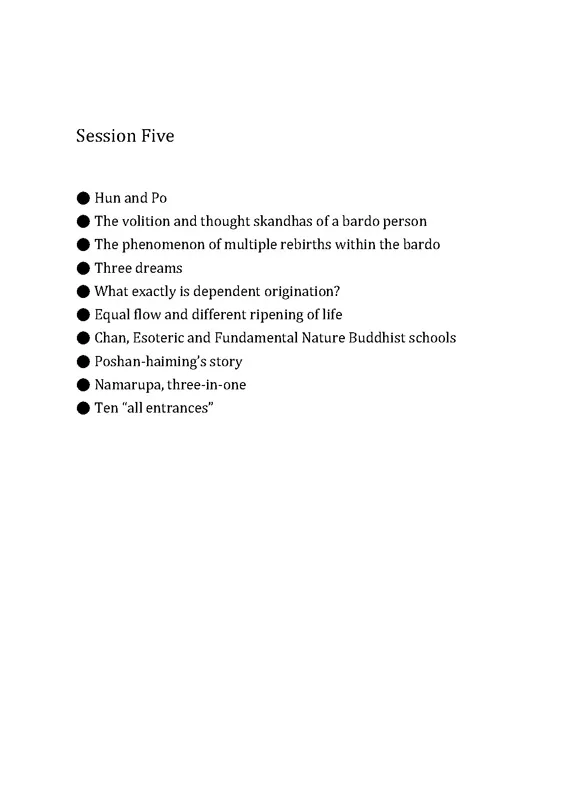
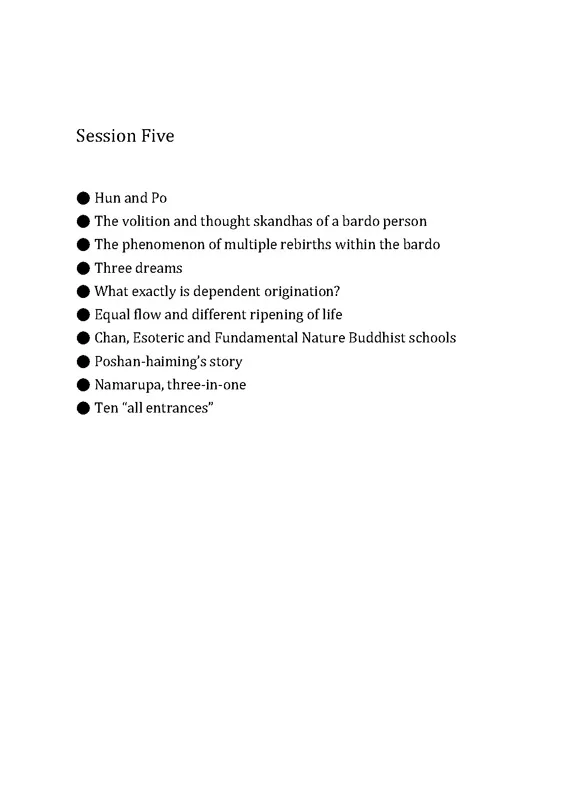
Session Five
● Hun-soul and Po
● The volition and thought skandhas of a bardo person
● The phenomenon of multiple rebirths within the bardo
● Three dreams
● What exactly is dependent origination?
● Equal flow and different ripening of life
● Chan, Esoteric and Fundamental Nature Buddhist schools
● Poshan-haiming’s story
● Namarupa, three-in-one
● Ten “all entrances”
Session Six
● The twelve sufferings within life
● Striving toward no suffering
● Where is the Dharmakaya
● How is a fetus formed
● The whirling of habit energy
● Growth of a baby in the womb
● The realm of a baby in the womb
● The retribution for suicide
● Entering, living in, and exiting the womb consciously
● Heavenly realms
● Transforming the Four Great Elements through the element of wind
Translator’s Forward
Acknowledgements
Session One
● Temple in New York
● Eastern Esoteric Buddhism, Tibetan Buddhism, and Bon
● The monk from the army, Ven. Xianming
● Before and after life
● The scientific nature of cause and effect
● Life and death through change vs. life and death in sections
● We are all “transformation bodies”
● What is enlightenment and Buddhahood?
● Changing and unchanging
● Fourmain principles
Session Two
● “Passing away in one’s own bed”
● The end of life in different time periods
● People who pass away without illness
● Material and spiritual life
● Changes in the Four Great Elements before death
● Signs of the direction of reincarnation
● Five types of no-consciousness
Session Three
● Questions concerning cremation
● Popular ideas of burial feng shui
● Types of burials
● The relationship between the element of wind and “warmth, lifeforce and consciousness”
● Are you old?
● Dissolution of the Four Great Elements
● How to practice Buddha mindfulness
● How fast is thought?
● Brightness of the newly arisen bardo body
● Like a dream with supernatural powers
● Habit energy and reincarnation
Session Four
● Dying verses coma
● A young girl’s out-of-body experience
● Sleepwalking
● Why is it that spiritual practice can give rise to supernatural powers?
● Shadow consciousness, Yin-spirit and yang-spirit
● Wang Yangming’s story
Session Five
● Hun-soul and Po
● The volition and thought skandhas of a bardo person
● The phenomenon of multiple rebirths within the bardo
● Three dreams
● What exactly is dependent origination?
● Equal flow and different ripening of life
● Chan, Esoteric and Fundamental Nature Buddhist schools
● Poshan-haiming’s story
● Namarupa, three-in-one
● Ten “all entrances”
Session Six
● The twelve sufferings within life
● Striving toward no suffering
● Where is the Dharmakaya
● How is a fetus formed
● The whirling of habit energy
● Growth of a baby in the womb
● The realm of a baby in the womb
● The retribution for suicide
● Entering, living in, and exiting the womb consciously
● Heavenly realms
● Transforming the Four Great Elements through the element of wind
查看更多
作者簡介
Master Nan is considered one of the greatest contemporary spiritual Masters. Born in China in 1918, Master Nan's profound understanding of the Dharma was verified by several Chan and esoteric Buddhist Masters. He is considered a foremost expert in Buddhism, Taoism, Confucianism, Chinese philosophy, history and other aspects of Chinese culture. He is the author of over 80 books that have sold over a billion copies in Chinese-speaking countries.
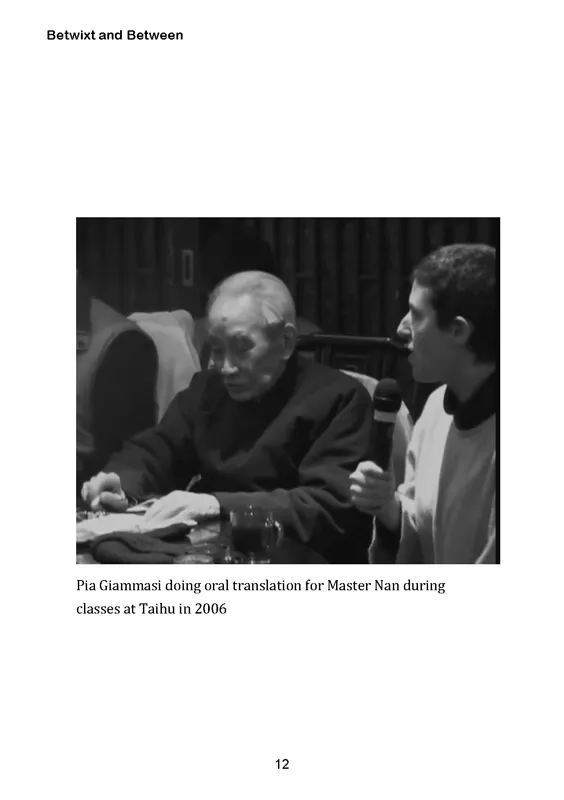
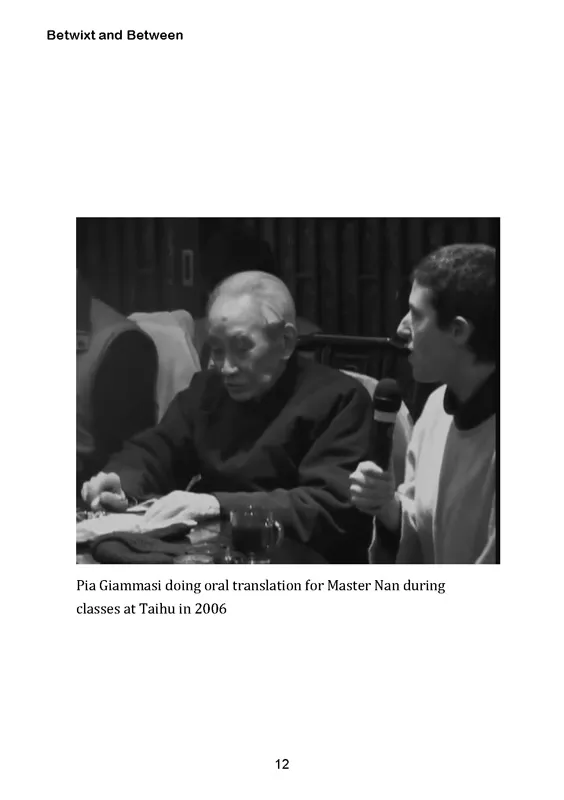
Everything changed when Pia Giammasi met Master Nan in Hong Kong in 1988. Her world turned upside-down, inside out, and expanded exponentially by being enveloped into the enlightened reality of Master Nan. Pia had the privilege of doing oral translation for Master Nan for nearly 30 years and is currently working on written translations of his books.
Everything changed when Pia Giammasi met Master Nan in Hong Kong in 1988. Her world turned upside-down, inside out, and expanded exponentially by being enveloped into the enlightened reality of Master Nan. Pia had the privilege of doing oral translation for Master Nan for nearly 30 years and is currently working on written translations of his books.
- 開本: 菊16開(14.8x21cm)
- 頁數: 216
- 單/彩色: 單色
- ISBN: 9789860613094
- EISBN: 9786269769506